
Loading...
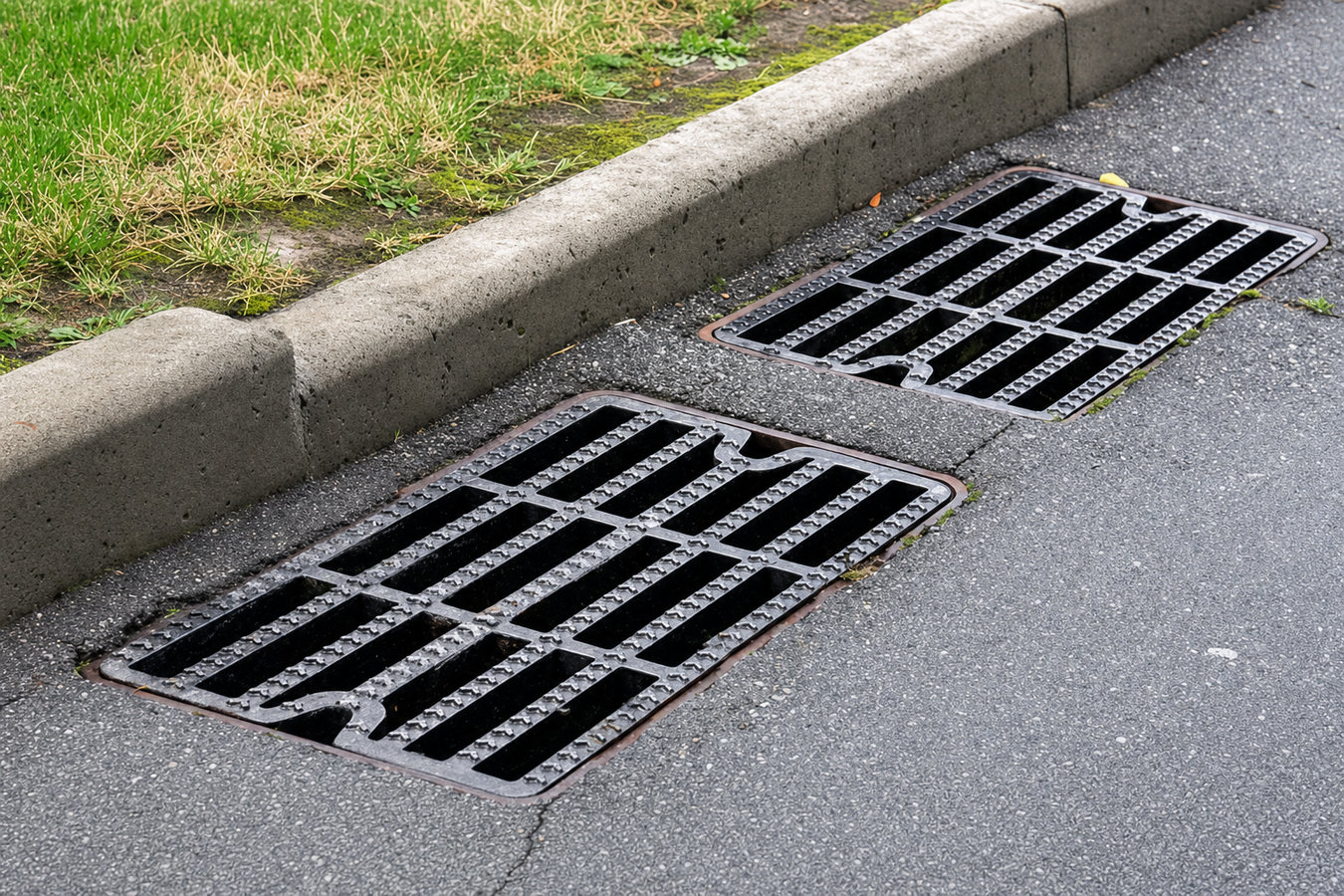
Pooling water destroys asphalt from the inside out. We install drainage systems built for Stockton's flat terrain and clay soils so your driveway stays solid through every rainy season.
Drainage solutions in Stockton move water away from your asphalt surface before it reaches the base layer, using channel drains, catch basins, French drains, or regrading the surface itself - most residential jobs are completed in one to two days and provide lasting protection through every wet season.
If you're watching the same cracks and soft spots return year after year, the problem isn't the surface - it's the water underneath it. In Stockton's flat neighborhoods, where clay soils hold moisture for weeks after a storm, that cycle keeps repeating until the drainage gets fixed. We pair drainage work with asphalt repair or grading and excavation when the base damage is already done, so you address the root cause and the surface damage in one project.
If standing water takes hours or days to disappear after a storm, your surface is not draining properly. In Stockton's clay soils, that pooling water has nowhere to go quickly, and every hour it sits is time it has to work under your pavement.
If you've had cracks patched or potholes filled and they return in the same spots, poor drainage is almost certainly the cause. Water is getting under the surface, softening the base, and the pavement above keeps failing as a result.
If rain flows across your driveway toward your house rather than away from it, that is a grading problem. In Stockton's flat neighborhoods this is common - the original paving may not have been graded with enough slope to direct water away.
If you notice new cracks, sunken areas, or surface deterioration each spring after the wet season, water is getting into your pavement base during winter storms. Addressing drainage before the next rainy season is the most cost-effective move.
The right drainage fix depends on what's going wrong and where the water needs to go. For a driveway with a clear low point, a channel drain or catch basin across the problem area is often all it takes. For larger parking areas or properties where the surface is nearly flat, we regrade the asphalt to create a deliberate slope that moves water toward a safe outlet. Where the problem runs deeper, we pair drainage installation with grading and excavation to address base issues before they get worse.
When drainage work uncovers surface damage that's already set in, we handle speed bump installation requests and surface repairs in the same project window so you're not scheduling multiple visits. We give you a written estimate that explains exactly where the water will go when the job is done - not just what materials will be used. Asking that question is how you separate a real fix from one that just moves the problem a few feet.
Suits driveways with a clear low point or a single area where water consistently pools - installed across the surface to intercept flow before it reaches your foundation.
Suits larger paved areas, parking lots, and properties where multiple low points need a collection point that feeds into underground pipe.
Suits flat lots and driveways where the existing asphalt lacks the slope needed to move water - we reshape the surface so water flows where you need it to go.
Suits properties where underground water movement is the issue, particularly near retaining walls, edges, or areas where soil saturation is undermining the base.
Stockton sits on deep clay-heavy San Joaquin Valley soils that absorb water slowly and hold it for a long time. When rain falls on or near your asphalt, that clay traps moisture against your pavement base far longer than sandy or loamy soils would. At the same time, most of Stockton's terrain is very flat, which means water doesn't naturally run away from your property on its own. The combination of slow-draining soil and nearly level ground makes deliberate drainage design essential here, not optional.
Stockton's Mediterranean climate delivers most of the year's rainfall in a handful of heavy storms from late fall through early spring. That means your drainage system has to handle large volumes of water in short bursts, then sit dry for months. Properties in Lathrop and Manteca face the same clay-soil drainage challenges as central Stockton, and we handle projects across all of these communities regularly. Getting the drainage right before the rainy season is the single most cost-effective thing you can do to protect the asphalt you already have.
For more on California stormwater rules that may apply to drainage connections near public streets, see the California State Water Resources Control Board.
Tell us what you're seeing - pooling water, recurring cracks, runoff toward the house. We respond within one business day and schedule a site visit to look at the actual drainage pattern before quoting anything.
We walk your property, trace how water moves across the surface, check slope and pavement condition, and identify where the water needs to go. This is where we determine whether a channel drain will work or whether regrading or underground pipe is needed.
You receive a written estimate explaining what will be done, what materials will be used, and exactly where the water will be directed when the job is complete. Permit requirements are noted in the estimate so the timeline is clear from the start.
Most residential drainage jobs are completed in one to two days. We cut, install, and patch as needed, then walk the finished job with you before leaving - confirming where the water now drains and covering seasonal maintenance so the system keeps working.
We'll walk your property, show you exactly where the drainage is failing, and give you a written estimate with no pressure. Most jobs are scheduled within the week.
(209) 659-6098San Joaquin Valley clay drains more slowly than almost any other soil type, and a drainage system that ignores that fails fast. We design every installation around how clay behaves here - how long it holds water, how that affects the base, and what outlet capacity the system needs to keep up with Stockton's heavy winter storms.
A drainage fix that just moves the problem a few feet is not a fix. Every estimate we write includes a clear explanation of the outlet - whether that's the street gutter, an underground pipe to an approved outlet, or a landscaped area designed to absorb flow. That transparency is how you know the job was designed correctly, not just installed cheaply.
California requires contractors to hold a state license for this work, and you can verify any license number in under a minute at the state licensing board. Hiring a licensed contractor protects you if anything goes wrong - unlicensed drainage work near public infrastructure can also create problems when you sell the home.
When water has already damaged your pavement base, fixing the drainage alone is only half the job. We combine drainage installation with surface repairs in the same project so you're not patching over the same problem again next year. That's the right order of operations, and it saves you from making two trips.
Drainage is the single biggest factor in how long asphalt lasts in a climate like Stockton's. When you fix the water problem, you protect the pavement you already have - the National Asphalt Pavement Association and the California Contractors State License Board both emphasize that proper drainage and licensed installation are the foundation of durable pavement work.
Add traffic-calming bumps to your parking lot or private driveway in the same project window as drainage work.
Learn MoreWhen base damage runs deep, we regrade and excavate before installing drainage so the fix holds long-term.
Learn MoreStockton's wet season arrives fast - get your driveway drainage sorted now so you are not watching water pool against your garage in December.